Comprehensive Guide to Builders Waste Clearance in Covent Garden

Covent Garden, renowned for its vibrant atmosphere and rich history, is also home to numerous construction and renovation projects. Whether you’re renovating a historic townhouse or overseeing a new build, managing builders waste is a critical aspect that cannot be overlooked. Proper waste clearance not only ensures compliance with local regulations but also contributes to a cleaner, more sustainable environment.
Builders waste clearance in Covent Garden involves the removal and disposal of various types of construction debris generated during building projects. This includes materials such as concrete, bricks, wood, metal, and other miscellaneous waste. Efficient waste management practices help in minimizing the environmental impact and maintaining the aesthetic appeal of this iconic London district.
Understanding the intricacies of builders waste clearance can save you time, money, and potential legal issues. This guide will walk you through the essential aspects of managing construction waste in Covent Garden, ensuring your project runs smoothly and responsibly.
Why Builders Waste Clearance is Essential

Effective builders waste clearance is crucial for several reasons:
- Environmental Protection: Proper disposal prevents harmful materials from polluting the environment.
- Legal Compliance: Adhering to local regulations helps avoid fines and legal complications.
- Safety: Removing debris reduces the risk of accidents on construction sites.
- Efficiency: Organized waste management streamlines the construction process.
In Covent Garden, where space is often limited and the area is densely populated, efficient waste clearance is even more critical. It ensures that construction activities do not disrupt the local community or the iconic landmarks that define the area.
Moreover, sustainable waste practices contribute to Covent Garden’s reputation as a forward-thinking and environmentally conscious district. By prioritizing responsible waste management, builders can align their projects with the community’s values and sustainability goals.
Types of Builders Waste

Builders waste can vary significantly depending on the scope and nature of the construction project. Common types of builders waste include:
- Concrete and Bricks: Fragments from demolition or remodeling efforts.
- Wood: Offcuts from carpentry work, including pallets and formwork.
- Metal: Scrap metal from structural elements or fixtures.
- Plastics: Packaging materials and plastic fixtures.
- Glass: Broken windows or glass installations.
- Insulation: Removed or excess insulation materials.
- Miscellaneous Debris: Mixed waste from various construction activities.
Identifying and categorizing builders waste is the first step in effective waste clearance. Different materials require specific disposal methods to ensure they are handled responsibly and in compliance with Covent Garden’s regulations.
For instance, materials like concrete and bricks must be broken down and processed for recycling, while hazardous materials may need specialized disposal methods to prevent environmental contamination.
Legal Requirements for Waste Clearance in Covent Garden

Compliance with local regulations is paramount when it comes to builders waste clearance in Covent Garden. The London Borough of Camden, which encompasses Covent Garden, has specific guidelines and requirements that builders must adhere to:
- Waste Management Plans: Projects generating significant waste must submit a waste management plan outlining disposal methods and recycling strategies.
- Permits and Licensing: Certain types of waste may require specialized permits or licenses for disposal.
- Recycling Obligations: Builders are encouraged, and in some cases mandated, to recycle a percentage of their construction waste.
- Proper Segregation: Waste must be sorted on-site to facilitate efficient recycling and disposal.
- Reporting: Regular reporting on waste disposal and recycling efforts may be required to ensure compliance.
Failure to comply with these regulations can result in hefty fines, work stoppages, and damage to the builder’s reputation. It is essential to stay informed about the latest regulations and ensure that all waste clearance activities align with local laws.
Engaging with professional waste clearance services familiar with Covent Garden’s regulations can help navigate these requirements effectively, ensuring your project remains compliant and on track.
Choosing the Right Waste Clearance Service

Selecting a reliable builders waste clearance service in Covent Garden is a critical decision that impacts the efficiency and success of your construction project. Here are key factors to consider:
Experience and Expertise
Choose a service with extensive experience in handling construction waste in Covent Garden. They should understand the unique challenges of the area, including space constraints and specific local regulations.
Comprehensive Services
Opt for a company that offers a full range of services, from waste collection and transportation to recycling and disposal. Comprehensive services ensure all aspects of waste management are covered, reducing the need for multiple contractors.
Environmentally Friendly Practices
Prioritize services that emphasize sustainability. This includes recycling materials whenever possible and using eco-friendly disposal methods. Demonstrating a commitment to environmental responsibility can enhance your project’s reputation.
Transparent Pricing
Clear and upfront pricing helps avoid unexpected costs. Ensure the service provides detailed quotes that outline costs for different types of waste and any additional services required.
Customer Reviews and References
Check customer testimonials and seek references to gauge the reliability and quality of the service. Positive reviews and strong references are indicators of trustworthy and efficient waste clearance providers.
Compliance with Regulations
Ensure the service is fully compliant with local regulations and has the necessary permits and licenses for waste disposal. This protects you from legal issues and ensures that waste is handled responsibly.
By carefully evaluating these factors, you can select a builders waste clearance service that meets your project’s needs, aligns with your values, and ensures compliance with Covent Garden’s regulations.
Investing in a reputable waste clearance service not only enhances project efficiency but also contributes to a cleaner and more sustainable environment in Covent Garden.
Steps for Effective Builders Waste Clearance

Implementing an effective builders waste clearance strategy involves several key steps:
- Assessment: Evaluate the type and volume of waste your project will generate. This includes identifying recyclable materials and hazardous waste.
- Planning: Develop a waste management plan outlining how different types of waste will be handled, recycled, or disposed of.
- Segregation: Sort waste on-site to separate recyclable materials from non-recyclable ones. Proper segregation simplifies disposal and enhances recycling efforts.
- Collection: Arrange for regular waste collection to prevent accumulation on site, which can pose safety hazards and impede project progress.
- Transportation: Ensure waste is transported to appropriate facilities for recycling or disposal. Choose transportation methods that minimize environmental impact.
- Disposal: Dispose of non-recyclable waste in accordance with local regulations. This may involve taking materials to licensed landfills or recycling centers.
- Monitoring and Reporting: Keep track of waste disposal activities and adhere to reporting requirements set by local authorities.
Following these steps ensures that your builders waste clearance process is organized, efficient, and compliant with Covent Garden’s regulations. It also promotes sustainability by maximizing recycling and minimizing environmental impact.
Regularly reviewing and updating your waste management plan can help adapt to changes in project scope or regulations, maintaining the effectiveness of your waste clearance strategy throughout the construction process.
Recycling and Sustainability in Builders Waste Clearance

Sustainability is increasingly becoming a priority in construction projects, and Covent Garden is no exception. Incorporating recycling into your builders waste clearance process not only benefits the environment but can also lead to cost savings and improved project efficiency.
Benefits of Recycling Construction Waste
- Reduces Landfill Use: Recycling diverts waste from landfills, conserving space and reducing environmental strain.
- Conserves Resources: Reusing materials minimizes the need for new resources, promoting conservation.
- Cost-Effective: Recycling can lower disposal costs and sometimes generate revenue from selling recyclable materials.
- Enhances Reputation: Demonstrating a commitment to sustainability can enhance your company’s reputation and appeal to environmentally conscious clients.
In Covent Garden, where sustainability is highly valued, integrating recycling into your waste management strategy aligns with community values and regulatory expectations.
Recyclable Materials in Construction
Several construction materials are highly recyclable, including:
- Concrete and Masonry: Can be crushed and reused as aggregate in new construction projects.
- Wood: Offcuts and scrap wood can be repurposed or processed into mulch or bioenergy.
- Metals: Steel, aluminum, and copper can be melted down and reused in new applications.
- Glass: Recycled glass can be used in new glass products or in construction materials like tiles and countertops.
- Plastics: Certain plastics can be recycled into new products or used in construction materials.
By identifying and separating these recyclable materials early in the construction process, you can streamline waste clearance and maximize the benefits of recycling.
Engaging with waste clearance services that prioritize recycling ensures that recyclable materials are properly handled and processed, contributing to a more sustainable construction project in Covent Garden.
Innovative Waste Management Solutions
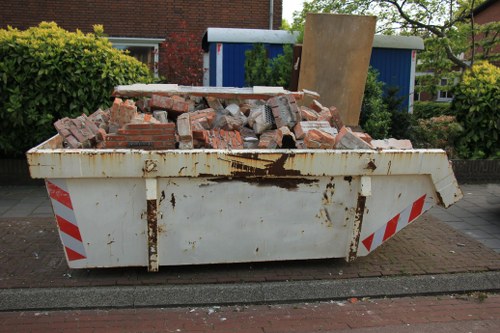
Embracing innovative waste management solutions can significantly enhance the efficiency and sustainability of your builders waste clearance in Covent Garden. Here are some cutting-edge approaches:
On-Site Recycling Facilities
Setting up on-site recycling facilities allows for immediate sorting and processing of waste materials. This reduces the need for transportation and ensures that recyclable materials are efficiently diverted from landfills.
Modular Waste Management Systems
Modular systems offer flexible and scalable solutions for waste management, allowing you to adjust your strategies based on project size and waste volume. These systems can be easily adapted to meet changing needs throughout the construction process.
Digital Waste Tracking
Utilizing digital tools to track waste generation and disposal can provide valuable insights into your waste management practices. This data-driven approach enables you to identify areas for improvement and ensure compliance with regulations.
Green Building Certifications
Achieving green building certifications, such as BREEAM or LEED, often requires comprehensive waste management plans. These certifications can enhance your project’s credibility and appeal to environmentally conscious stakeholders.
AI and Automation
Artificial intelligence and automation technologies can streamline waste sorting and processing, increasing efficiency and reducing human error. These technologies can also optimize waste collection schedules and routes, minimizing transportation costs and emissions.
In Covent Garden, adopting these innovative solutions can set your construction project apart, demonstrating a commitment to sustainability and efficiency. These approaches not only benefit the environment but also enhance the overall success and reputation of your project.
Stay informed about the latest advancements in waste management technology and collaborate with waste clearance services that integrate these innovations into their practices.
Cost Considerations in Builders Waste Clearance

Managing the costs associated with builders waste clearance is an essential aspect of budgeting for any construction project in Covent Garden. Understanding the factors that influence these costs can help you plan effectively and avoid unexpected expenses.
- Volume of Waste: The amount of waste generated directly impacts disposal costs. Larger projects typically produce more waste, necessitating more extensive clearance services.
- Type of Waste: Specialized waste, such as hazardous materials, may require specific handling and disposal methods, increasing overall costs.
- Frequency of Collection: Regular and frequent waste collection services may be more cost-effective in the long run, preventing waste build-up and reducing the need for emergency disposal.
- Recycling Fees: Recycling certain materials may involve additional fees, but this can be offset by potential savings from reduced landfill use.
- Transportation Costs: The distance between the construction site and disposal facilities affects transportation expenses. Choosing a local service in Covent Garden can help minimize these costs.
- Permits and Licensing: Compliance with local regulations may involve obtaining permits, which can add to the overall cost of waste clearance.
To manage these costs effectively, consider the following strategies:
Optimize Waste Generation
Implementing measures to reduce waste generation can lower disposal costs. This includes precise material estimation, reusing materials when possible, and adopting efficient construction methods.
Negotiate Contracts
Establishing long-term contracts with waste clearance services can lead to discounted rates. Negotiating terms that align with your project’s needs ensures transparency and cost-effectiveness.
Leverage Recycling Programs
Participating in local recycling programs can provide financial incentives and reduce the volume of waste requiring disposal, thereby lowering costs.
Monitor and Review
Regularly monitoring waste management expenses and reviewing performance can identify opportunities for cost savings and process improvements.
By proactively managing builders waste clearance costs, you can maintain your project’s budget while ensuring responsible and efficient waste management practices in Covent Garden.
Future Trends in Builders Waste Clearance

The landscape of builders waste clearance is continually evolving, driven by advancements in technology, changes in regulations, and growing environmental awareness. Here are some future trends to watch in Covent Garden:
Circular Economy Principles
The adoption of circular economy principles emphasizes the reuse and recycling of materials, reducing waste and conserving resources. Construction projects are increasingly designed with material reuse in mind, fostering a more sustainable approach to builders waste clearance.
Advanced Recycling Technologies
Innovations in recycling technologies are improving the efficiency and effectiveness of waste processing. Techniques such as chemical recycling and automated sorting systems are enhancing the ability to recycle a broader range of materials.
Smart Waste Management Systems
Integrating smart technologies into waste management can optimize waste collection and processing. Sensors and IoT devices can monitor waste levels in real-time, enabling more efficient scheduling and resource allocation.
Increased Regulatory Pressure
Governments and local authorities are likely to impose stricter regulations on waste management, encouraging construction projects to adopt more sustainable practices. Staying ahead of these regulations is crucial for compliance and project success.
Collaboration and Partnerships
Collaboration between builders, waste clearance services, and recycling facilities is essential for developing innovative waste management solutions. Partnerships can facilitate the sharing of resources and expertise, enhancing overall sustainability efforts.
Green Certifications and Standards
The demand for green building certifications is expected to rise, driving construction projects to prioritize sustainable waste management practices. Achieving these certifications can provide a competitive edge and demonstrate a commitment to environmental responsibility.
Embracing these trends can position your construction project in Covent Garden as a leader in sustainable waste management, aligning with global efforts to reduce environmental impact and promote resource conservation.
Staying informed about emerging trends and integrating innovative practices into your builders waste clearance strategy will ensure long-term success and sustainability.
Conclusion
[IMG_11]Builders waste clearance in Covent Garden is a multifaceted process that requires careful planning, compliance with local regulations, and a commitment to sustainability. By understanding the types of waste generated, adhering to legal requirements, and choosing the right waste clearance service, you can ensure that your construction project remains efficient, cost-effective, and environmentally responsible.
Incorporating recycling and innovative waste management solutions not only enhances the sustainability of your project but also aligns with Covent Garden’s values and community expectations. Proactively managing waste clearance costs and staying abreast of future trends will position your project for long-term success.
For a seamless and responsible builders waste clearance experience in Covent Garden, contact us today and let our expert team assist you in achieving your construction goals with efficiency and sustainability.
Book your service now and take the first step towards a cleaner, greener Covent Garden.
