Floral Street bulky rubbish collection advice WC2H
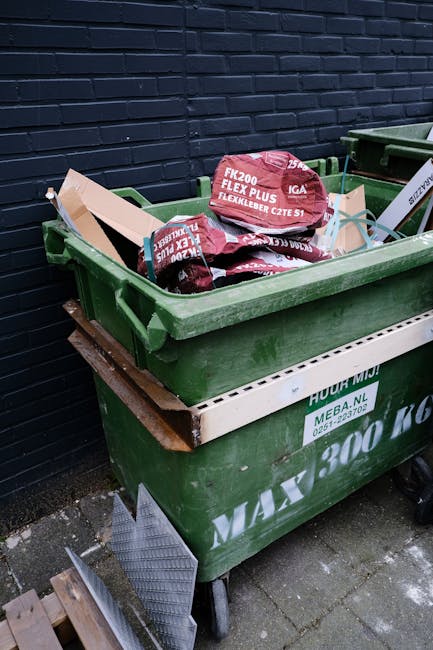
If you need Floral Street bulky rubbish collection advice WC2H, the tricky part is usually not the lifting. It is the planning. Floral Street sits in a busy part of Covent Garden, with tight access, mixed-use buildings, and very little tolerance for clutter hanging around in the hallway. One sofa in the wrong place can turn into a real nuisance. A stack of old office chairs? Even more so.
This guide breaks down how bulky rubbish collection works in practical terms, what to think about before booking, how to avoid common mistakes, and when a professional clearance service makes more sense than trying to drag everything out yourself. You will also find a checklist, a comparison table, and answers to the questions people actually ask. No fluff. Just useful advice you can act on.
Why Floral Street bulky rubbish collection advice WC2H Matters
Bulky rubbish is not just "a few large items". In real life, it tends to be the awkward stuff: a broken wardrobe with splintered corners, an office desk that needs two people to move it, or a bulky pile of mixed waste that is too big for normal bin collections. Around Floral Street, that matters because access is often limited, loading space can be tight, and neighbours, tenants, shop staff, or customers may all be sharing the same building entrance.
Good advice helps you avoid last-minute stress. It also reduces the chance of damage to walls, lift doors, stairwells, or pavements. Truth be told, bulky rubbish is where people often underestimate the job. They think, "We'll sort it out in ten minutes." Then they are still wrestling with the same old chest of drawers half an hour later, somebody is sweating on the stairs, and the item still will not fit round the corner.
It also matters for safety. Large items can be heavy in all the wrong places, and some pieces contain hidden risks such as sharp edges, broken glass, loose fixings, or unstable parts. If you are dealing with anything that has been sitting in storage for a while, it can be dusty too. Not glamorous, but very normal.
For many people, the smartest route is to combine local knowledge, sensible prep, and the right clearance option. If you are comparing broader services, it can help to look at general waste removal support alongside more specific options like furniture disposal or furniture clearance. That way, you can match the service to the actual items rather than forcing everything into one category.
How Floral Street bulky rubbish collection advice WC2H Works
The process is usually more straightforward than people expect, provided you do a little prep first. In most cases, bulky collection follows a simple pattern: identify the items, check access, choose the right clearance method, and make sure the waste is removed responsibly.
Here is the practical version.
- Identify what needs removing. Separate bulky items from small waste, fragile items, and anything that needs special handling.
- Check access. Measure doorways, stair turns, lifts, and corridors. On Floral Street, this step is not optional. It saves a lot of hassle.
- Decide whether the job is domestic, commercial, or mixed. A flat clearance is not the same as an office clearance, and the best approach changes depending on the setting.
- Choose the right collection route. For example, furniture-heavy jobs often fit a furniture clearance or flat clearance model, while workplace items may fit office clearance or business waste removal.
- Prepare the items for pickup. Remove loose contents, detach anything safely possible, and keep pathways clear.
- Load, remove, sort, and dispose. Reputable clearance work should include responsible handling, not just hauling things away and hoping for the best.
If you are arranging help, ask how the team handles heavy lifting, access restrictions, and recycling. That is where the real difference lies. One van is not the same as a complete service, let's face it.
For job types that include renovation debris or stripped-out interiors, you may also need builders waste clearance. If the load is more general household clutter, home clearance or house clearance may be a better fit.
Key Benefits and Practical Advantages
There are some obvious benefits to using the right bulky rubbish collection approach, but the less obvious ones matter too.
- Less disruption. A well-planned collection gets clutter out quickly, which is a relief in shared buildings and busy streets.
- Lower risk of damage. Moving large furniture through narrow spaces is where scuffed walls and chipped paint happen.
- Better time use. You can focus on what matters instead of spending the day breaking down items and making repeated trips.
- Safer handling. Professional lifting and loading reduce the chance of personal injury.
- Cleaner end result. When bulky waste is cleared properly, you are not left with half-finished debris or bits scattered around the floor.
- More suitable for mixed waste. Old furniture, garage clutter, bags of unwanted items, and light construction waste can often be managed together if the service is set up for it.
There is also a mental benefit people underestimate. Clearing bulky rubbish tends to make a place feel usable again. A hallway starts to breathe. A room stops feeling like a storage locker. That shift matters, especially if you are trying to hand over a property, reopen a work area, or just get your space back.
For clients who care about responsible disposal, it is worth reviewing a provider's recycling and sustainability approach. That helps you understand whether reusable or recyclable items are likely to be separated rather than simply mixed into general waste.
Who This Is For and When It Makes Sense
This kind of advice is useful for a surprisingly wide group of people. If you are on Floral Street or nearby WC2H, bulky collection usually becomes relevant in one of these situations:
- Tenants clearing a flat before moving out or returning keys
- Landlords dealing with leftover furniture or abandoned items
- Estate and letting agents needing a quick turnaround between occupants
- Office managers replacing desks, chairs, filing cabinets, or reception furniture
- Retail or hospitality operators clearing damaged stock or old fixtures
- Homeowners tackling a loft, garage, or spare room that has quietly filled up over the years
- Builders and contractors with bulky offcuts, stripped fittings, or renovation leftovers
It makes sense whenever the item is too large for standard refuse handling, too awkward to move safely alone, or too numerous to tackle with a couple of trips. If you are looking at a sofa, bed frame, wardrobe, mattress, broken shelving, office chairs, or mixed domestic clutter, you are already in bulky rubbish territory.
A quick example: if a small studio on Floral Street has a bed base, mattress, chair, and one old table, the task might be simple enough to handle in one visit. If the same space contains boxed archive files, broken shelving, a desk, and dismantled furniture, the job starts looking more like a structured clearance rather than just a collection. Subtle difference. Big impact.
Step-by-Step Guidance
If you want the job done without drama, this is the sequence that usually works best.
1. Walk the route before moving anything
Check hallways, staircases, lift access, door widths, and any awkward turning points. It sounds a bit obvious, but people miss this all the time. On a busy street, the route is just as important as the item itself.
2. Sort items by type
Keep furniture separate from general rubbish, and keep any items that may need special handling away from everything else. If there are office items, decide whether they belong with business waste removal or a more specific service.
3. Remove obvious hazards
Take out loose glass, unplug electrical items, tape shut drawers if needed, and clear away trip hazards. Do not overcomplicate it. Just make the items safer to move.
4. Book the right service level
Not every bulky rubbish job needs the same level of support. A single-item pickup is very different from a full-property clearance. If you are unsure, it is sensible to compare house clearance, home clearance, and furniture disposal depending on the mix of items.
5. Confirm what is included
Ask whether loading, lifting, sorting, and disposal are included. Ask what happens if access is tight or if items need dismantling. Those are the awkward details that usually decide whether the day goes smoothly or not.
6. Keep the site clear on the day
Give the team space to work. Move fragile items, secure pets, and keep the route open. If you are in a shared building, a small courtesy note to neighbours can save a bit of friction. Nice and boring. That is the goal.
7. Check the final space
Look for any missed fixings, screws, broken bits, or packaging. If the collection involved a room clearance, verify that the area is left tidy and walkable.
Expert Tips for Better Results
These are the small things that make a bulky collection noticeably easier.
- Take measurements before booking. Door heights, stair landings, and lift dimensions can change the whole plan.
- Photograph the items. A few quick pictures help you explain the job clearly and avoid misunderstandings.
- Stack items sensibly. Keep what can be moved together near the exit, but do not block fire routes or common access.
- Break down only what is safe to break down. Flat-pack furniture usually can be reduced, but wobbly or damaged items may be better left intact.
- Separate reusable items. If something is still in decent condition, ask whether it can be put aside for reuse or a more suitable disposal route.
- Plan around building hours. In busy WC2H locations, early morning or quieter windows can be less disruptive.
One small but useful habit: keep a "do not move" corner. It sounds odd, but it helps prevent accidental disposal of paperwork, chargers, keys, or that one box everyone assumes someone else has claimed. Happens more than you'd think.
If the job involves a garage, loft, or mixed storage space, related services like garage clearance and loft clearance can be a better fit than trying to describe the work as a simple bulky collection. The label matters less than the practical scope, but it still helps.
Common Mistakes to Avoid
Most bulky rubbish headaches come from a few very ordinary mistakes. The good news is they are easy to avoid once you know them.
- Leaving everything until the last minute. That is how people end up with blocked hallways and rushed lifting.
- Underestimating weight. Old furniture can be heavier than it looks, especially when soaked, damaged, or built with dense materials.
- Assuming access will be easy. A narrow landing or awkward lift can turn a ten-minute job into a managed operation.
- Mixing hazardous or awkward materials without checking. Some items need extra caution, even if they look harmless at first glance.
- Forgetting to sort valuables and paperwork. Once it is on the pile, it all starts looking very similar.
- Choosing a service without confirming disposal method. If recycling and reuse matter to you, ask early.
There is also the classic mistake of trying to carry everything yourself because it seems cheaper. Sometimes that is fine. Other times, not so much. A pulled back muscle has a way of making a "saving" feel a bit silly.
Another one: forgetting building rules. If the property has access windows, loading restrictions, or concierge requirements, sort that out before collection day. A two-minute conversation can save a whole lot of standing around.
Tools, Resources and Recommendations
You do not need fancy equipment for most bulky rubbish jobs, but a few simple tools make the process much easier.
- Measuring tape for doors, stairs, and furniture dimensions
- Gloves with a decent grip for handling rough or dusty items
- Mask or dust covering if you are opening stored items in a loft, garage, or long-unused room
- Marker pen and labels to tag what stays, what goes, and what is fragile
- Phone camera for quick inventory photos
- Trolley or sack barrow if you are moving heavier items a short distance and the route is safe
From a service perspective, it helps to review pricing and quotes guidance before you commit. Clear pricing usually comes down to volume, item type, access difficulty, and how much lifting is involved. If a quote sounds too vague, ask for a breakdown. A proper explanation is a good sign.
You may also want to check the company's insurance and safety information and health and safety policy. Those pages are useful because bulky jobs often involve lifting, narrow spaces, and a little bit of common sense that should really be written down somewhere.
And if you want a sense of how the business presents itself and what kind of work it handles, the about us page is worth a look. It gives context, which is often what people want before handing over a job.
Law, Compliance, Standards, or Best Practice
For bulky rubbish collection, the main thing is to follow sensible UK waste-handling practice. You do not need to be a compliance expert, but you do need to avoid casual mistakes that could create problems later.
Best practice usually means:
- keeping waste segregated where practical
- preventing damage or spillage during movement
- making sure items are taken to an appropriate disposal route
- avoiding blocked exits or unsafe stacking
- using a provider that explains how waste is handled
If the items are from a business premises, there may be extra expectations around record-keeping, access, and duty of care. If that applies to you, a service like business waste removal or office clearance is usually more relevant than a one-off domestic pickup.
It is also sensible to be careful with electrical items, sharp materials, and anything contaminated by damp or mould. You do not need to dramatise it, but you should not shrug it off either. A little caution goes a long way.
For readers who prefer to check company terms before booking, the terms and conditions can help set expectations around service scope, access, and responsibilities.
Options, Methods, or Comparison Table
Different jobs call for different approaches. Here is a straightforward comparison to help you choose.
| Method | Best for | Strengths | Limitations |
|---|---|---|---|
| Self-moving and disposal | One or two manageable items | Low upfront cost if you already have transport | Time-consuming, physically demanding, and tricky in tight access areas |
| Bulky rubbish collection | Large, awkward items needing quick removal | Convenient and usually faster, with less lifting for you | Needs clear access and a proper handover plan |
| Furniture clearance | Sofas, wardrobes, tables, chairs, and similar items | Well suited to rooms full of furniture | May not suit mixed waste unless agreed in advance |
| Flat, house, or home clearance | Multiple items across a property | Best for bigger jobs and fuller rooms | More extensive planning needed |
| Business or office clearance | Desks, chairs, filing, stock, and workplace waste | Organised, efficient, and suitable for commercial spaces | Needs clearer coordination with building access and operating hours |
In plain English: if it is one sofa, you probably need a furniture-focused solution. If it is half a flat, you are likely looking at a clearance. If it is a mixed pile in a workplace, business waste removal may be the better call.
Case Study or Real-World Example
Here is a realistic example from the kind of job people often face near Floral Street.
A small flat above a busy ground-floor unit needs clearing after a tenant move-out. The main items are a bed frame, mattress, a cracked dining chair, two small bookcases, and a few bags of mixed clutter. Nothing unusual, but the stairwell is narrow and the building has shared access. There is also very limited room to leave items outside while waiting.
The sensible approach is to sort everything before collection day, measure the tightest turns, and keep the exit route clear. The mattress and bed frame are separated from the smaller items. Any reusable pieces are identified in advance. On the day, the team can move the items in one go rather than making repeated trips up and down the stairs. Less noise, less disruption, less awkwardness with neighbours.
Now compare that with a similar job where the flat also contains damaged shelving, old office chairs, and a pile of broken fixtures from a mini refurb. That shifts the task into a mixed clearance. In that case, the better fit may be a combination of flat clearance and builders waste clearance. Same building. Very different plan.
The lesson is simple: the more clearly you define the job, the smoother it gets. Sounds boring, but boring is usually what you want on collection day.
Practical Checklist
Use this checklist before any bulky rubbish collection in WC2H.
- List every item that needs removing
- Separate bulky items from general rubbish
- Measure doors, lifts, stairs, and turning spaces
- Check whether items need dismantling
- Remove personal items, paperwork, and valuables
- Identify anything fragile, sharp, or unusually heavy
- Confirm whether the job is domestic, commercial, or mixed
- Ask how loading, lifting, and disposal are handled
- Make access as clear as possible on the day
- Review recycling, reuse, and disposal expectations
- Keep pets, children, and bystanders away from the work zone
- Do a final walk-through once the collection is finished
If you can tick most of those boxes, the job usually goes a lot more smoothly. Not perfect, maybe. But calm enough.
Get a free quote today and see how much you can save.
Conclusion
Floral Street bulky rubbish collection advice WC2H comes down to this: know what you have, plan the access, choose the right clearance approach, and do not underestimate the practical side of a job that looks simple on paper. In a place like WC2H, where access is often tight and the surroundings are busy, preparation is half the battle.
Whether you are clearing a flat, tidying a business space, or removing a few heavy items that have been in the way for too long, the right approach saves time, reduces risk, and makes the whole experience far less stressful. The job gets done, the space opens up, and life moves on a little easier. That is the real win.
If you need to speak with a local team, you can also review the contact page for the next step. And if you want reassurance about how feedback is handled, the complaints procedure and cookie policy are available too, which is always a good sign of a well-run site.
Sometimes the best job is the one that quietly disappears from your to-do list. Nice, simple, done.
Frequently Asked Questions
What counts as bulky rubbish in Floral Street WC2H?
Bulky rubbish usually means large or awkward items that will not fit into standard household or office bins. That often includes sofas, mattresses, wardrobes, tables, desks, chairs, shelving, and similar items.
Can I mix furniture and general rubbish in one collection?
Often yes, but it depends on the service and the type of waste involved. It is usually better to say exactly what you have so the collection can be planned properly rather than guessing.
Is bulky rubbish collection suitable for flats with narrow stairs?
Yes, provided the access is checked in advance and the items can be moved safely. Narrow stairs and tight turns are common in London, so accurate measurements really help.
Do I need to dismantle furniture before collection?
Not always. Some items are easier to move intact, while others are safer or simpler when partially dismantled. If dismantling is needed, only do it if it can be done safely.
How do I know whether I need furniture clearance or full clearance?
If the job is mainly large furniture, furniture clearance is usually the best fit. If you are clearing multiple rooms or a whole property, a fuller home, house, or flat clearance is often more suitable.
What should I do with items I want to keep?
Move them well away from the work area and label them clearly if needed. In mixed clearances, it is surprisingly easy for a keep pile to blend into the rest of the room.
Is business waste removal different from domestic bulky rubbish collection?
Yes. Business waste usually needs a more organised approach because of access times, building rules, and the type of items involved. Office furniture and commercial clutter often suit a business-focused service.
What if my items are heavy or damaged?
That is exactly when planning matters most. Damaged items can have sharp edges or unstable parts, so they should be handled carefully and not rushed.
How can I keep the collection day running smoothly?
Clear the route, keep items grouped together, remove valuables, and confirm access in advance. A little preparation goes a long way, honestly.
Do I need to worry about recycling or reuse?
If sustainability matters to you, yes. It is sensible to ask how reusable and recyclable items are handled, especially for furniture and office equipment.
What if I only have one bulky item?
Single-item collections are common. Even one item can be awkward if it is large, heavy, or stuck in a tight space, so it still makes sense to plan it properly.
Where can I find more information about the company and its services?
You can read more on the about us page and review related service pages such as waste removal or recycling and sustainability depending on what you need.